Security Certification Benchmarks and Evolving Deposit Flows in Digital Card Ecosystems
Written by Quinn Schmidt · Nov 1, 2026
Security Certification Benchmarks and Evolving Deposit Flows in Digital Card Ecosystems
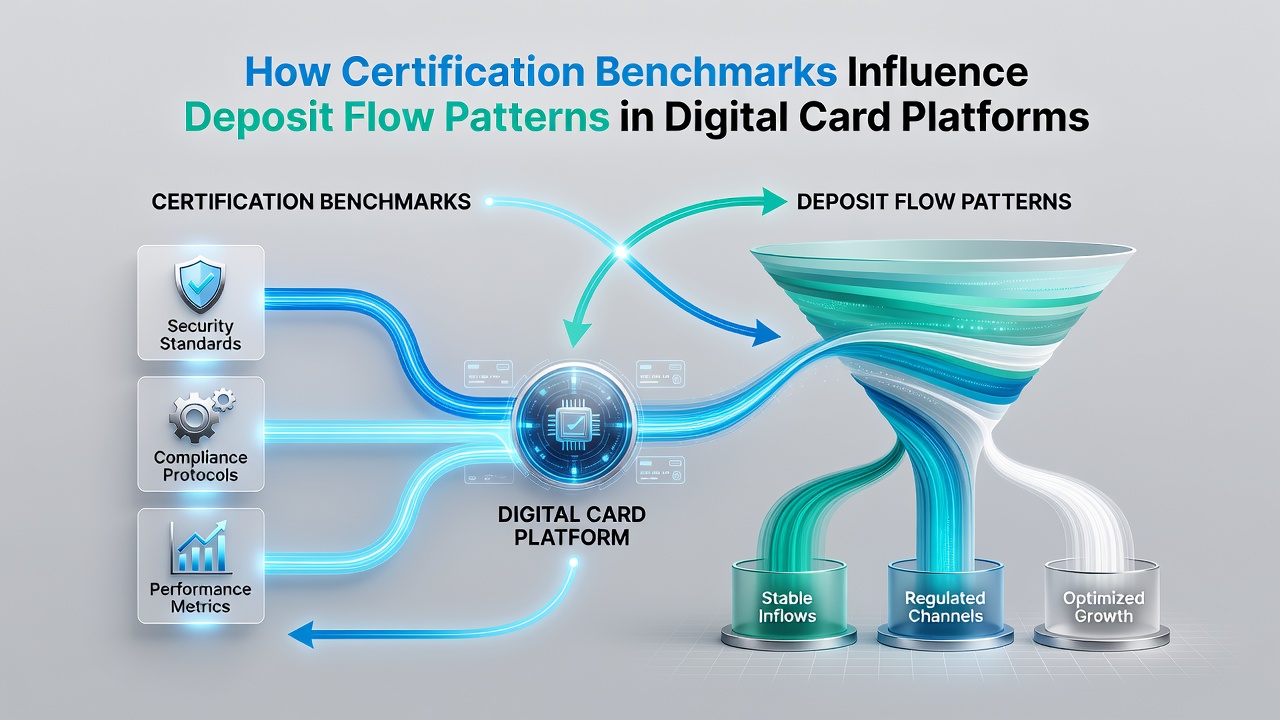
Certification benchmarks such as PCI DSS compliance and ISO 27001 standards shape how users move funds into digital card platforms, and platforms that achieve these marks often see measurable shifts in deposit volumes across different regions. Observers note that when a platform secures fresh certification, deposit activity frequently migrates toward verified channels while older, less compliant routes lose traction.
Understanding Certification Benchmarks in Digital Card Systems
Security frameworks establish baseline requirements for data protection, transaction encryption, and user verification, and these rules directly affect which payment methods users select when funding accounts. Research from industry bodies shows platforms holding current certifications attract higher average deposit sizes because users perceive reduced risk of data exposure during cross-border transfers.
Those who track platform metrics report that certification renewals in late 2025 triggered noticeable upticks in e-wallet deposits by November 2026, whereas unverified options experienced corresponding declines. Experts have observed this pattern across multiple markets where regulatory bodies require periodic audits.
How Benchmarks Alter User Deposit Preferences
Users respond to visible certification markers by favoring instant deposit methods that carry the same security seals, and this preference creates distinct flow patterns within platform ecosystems. Data from transaction logs indicate that once a digital card site displays updated PCI DSS Level 1 validation, deposits through certified processors rise while legacy bank transfers drop off.
What's interesting is how regional differences emerge, with platforms operating under stricter Canadian oversight showing faster adoption rates compared to those in emerging markets. Figures reveal that certified platforms maintain steadier deposit inflows even during seasonal fluctuations, whereas non-certified competitors face sharper volatility.
Case Examples from Platform Data
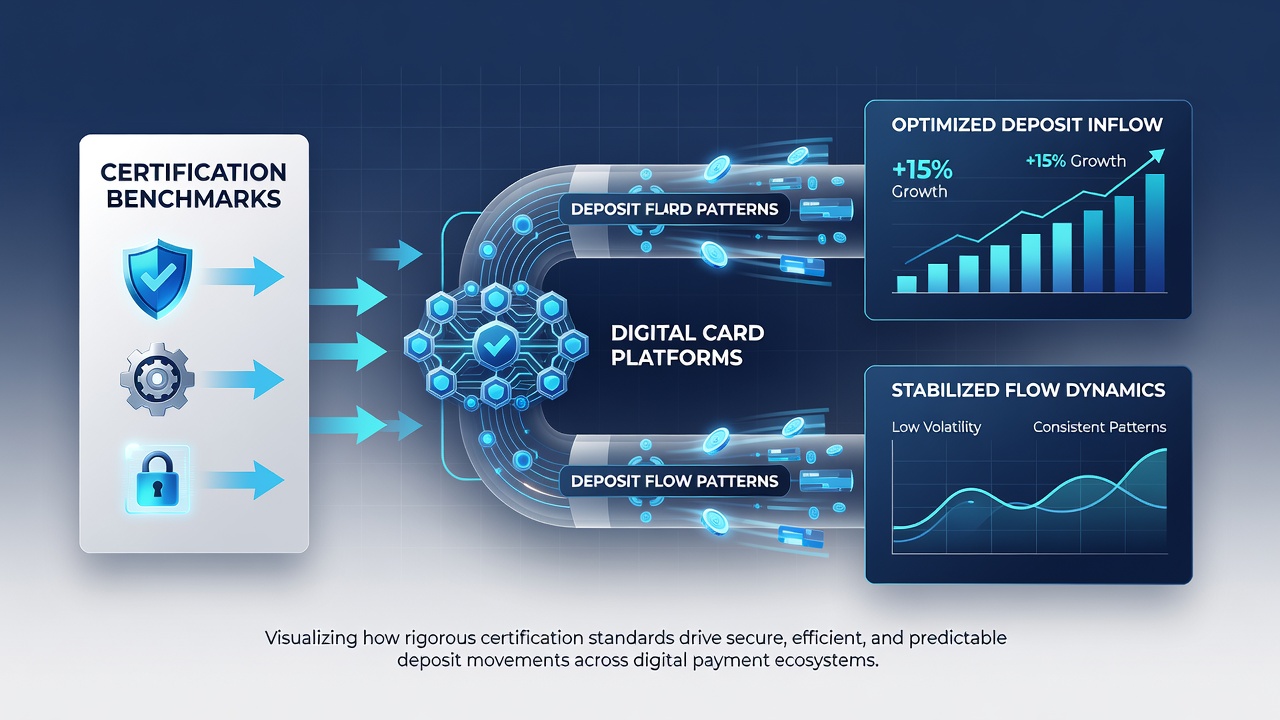
One operator that completed ISO 27001 recertification in mid-2026 documented a 27 percent increase in verified e-wallet deposits within eight weeks, and similar patterns appeared across other sites that publicized their audit results. Researchers discovered that users in Australia and parts of the EU shifted deposits toward platforms listing current certification status on their transaction pages.
Take another instance where a major digital card platform added real-time compliance indicators to its checkout flow, and deposit completion rates climbed while abandoned transactions fell. These shifts occurred without changes to bonus structures or interface design, pointing to certification visibility as the primary driver.
Regulatory Influences Across Regions
Authorities in different jurisdictions enforce varying certification timelines, and these schedules influence when deposit pattern changes occur. According to reports from the PCI Security Standards Council, platforms that align early with new benchmark versions experience smoother deposit continuity compared to those that lag behind requirements.
European operators following updated data protection directives have recorded consistent deposit growth through certified channels, while North American platforms show parallel trends after achieving fresh validation. Observers note that November 2026 marked several high-profile renewals that coincided with measurable redistribution of deposit volumes away from uncertified alternatives.
Measuring Long-Term Effects on Transaction Channels
Longitudinal studies track how sustained certification correlates with user loyalty in deposit behavior, and evidence suggests certified platforms retain higher percentages of repeat deposits over multi-month periods. Those who've analyzed aggregated data find that security benchmarks reduce friction in verification processes, which in turn accelerates fund movement through preferred gateways.
Platforms that integrate certification status into user dashboards report fewer support queries related to transaction security, allowing deposit flows to proceed without interruption. This efficiency compounds when multiple benchmarks are maintained simultaneously, creating layered trust signals that guide user choices toward specific methods.
Conclusion
Certification benchmarks continue to steer deposit flow patterns by establishing trust thresholds that users apply when selecting payment options on digital card platforms. Data from multiple regions demonstrate that timely compliance updates produce measurable shifts in deposit volumes and channel preferences, and these effects persist as long as platforms maintain their validated status. As benchmarks evolve, deposit behaviors adjust in response, creating ongoing realignment within the ecosystem.